A Better Video-Call Setup Without Buying Everything
A practical guide for the moment when you work from a spare bedroom and want calls to feel calmer and clearer. Compare the options, understand the tradeoffs, and buy with a clear purpose.

Consider this ordinary moment: you work from a spare bedroom and want calls to feel calmer and clearer. The useful purchase is the one that makes that situation easier without introducing a larger problem. The buying decision starts with video call headset webcam choices that fit that routine. Take the call from the actual chair and record the background, framing, and sound before buying anything. Put light in front of the face rather than relying on a bright ceiling source. Move a microphone closer before assuming more processing is needed.
Begin with the situation, not the specification sheet
For this purchase, focus first on light, sound, and camera height. Write those requirements down before opening several shopping tabs. Include any physical constraint: a shallow shelf, a crowded bag, a shared room, an awkward socket, or a device that cannot be replaced. A product that misses one essential requirement is not a bargain simply because it offers several unrelated extras.
Three sensible ways to spend
- Keep it simple: Choose a modest lamp and stand. This is a useful starting point when the task is narrow and predictable. Confirm the essential connections and avoid paying for capabilities that will remain unused.
- Buy for the fuller routine: Consider a headset for a noisy room. This route makes sense when the additional capability has a recurring job. Include its accessories, space requirements, and maintenance in the decision.
- Consider the alternative: Choose a webcam only when placement or image quality remains limiting. Sometimes the best answer changes the setup rather than upgrading the most obvious device. Compare the complete result, not just the item price.
The detail to check before checkout
Improve one weak link at a time. A background window, distant microphone, or unstable connection can dominate the experience. New equipment should solve an observed problem.
Make the first week a useful trial
Before committing to the setup, make a private recording before and after each change. Do this while the normal environment is in use, rather than in an artificially quiet or empty room. A quick first impression may miss the issue that appears when another device connects, the room fills up, or the equipment is packed away.
The ownership details that matter
Take the call from the actual chair and record the background, framing, and sound before buying anything. Put light in front of the face rather than relying on a bright ceiling source. Move a microphone closer before assuming more processing is needed.
Check the network separately from the camera. Frozen video can be a connection problem rather than a camera limitation. Keep the final setup simple enough to reproduce quickly when the spare room returns to another use.
Questions before you buy
Should I buy the most capable version now?
Only when the extra capability solves an identified need or a reasonably certain near-term change. Buying for an imagined future can leave you carrying extra weight, complexity, or cost every day. Choose enough flexibility for your actual routine.
Can the equipment I own already solve this?
Try the relevant settings, placement changes, and supported connections first. A small adjustment may resolve the difficulty. If it does not, you will have a clearer requirement and a more useful basis for comparing replacements.
How should I compare retailer listings?
Compare the same model and regional version, then check the included accessories, delivery terms, warranty wording, and return conditions. We do not publish fixed prices because listings change. A lower headline price can be misleading if essential parts are missing.
Fit it into the wider routine
Audio and video equipment needs to be evaluated in the room and routine where it will be used. Nearby people, doors, reflective surfaces, and background activity can change the practical result. Keep initial settings easy to reverse and avoid making several adjustments at once. When comparing sources, use familiar speech or material whose limitations you understand rather than relying only on a highly produced promotional demonstration.
A sensible next step
Use the requirements above to shortlist video call headset webcam options. Compare the exact version, included parts, and support terms before choosing. If the existing setup already meets the particular needs described here, keeping it is a reasonable decision.
Turn the advice into a shortlist
Compare the exact model, compatibility, seller, total cost and return terms before ordering. Our retailer search opens current listings; placement is not a product endorsement.
Explore relevant options on Amazon ↗Keep exploring
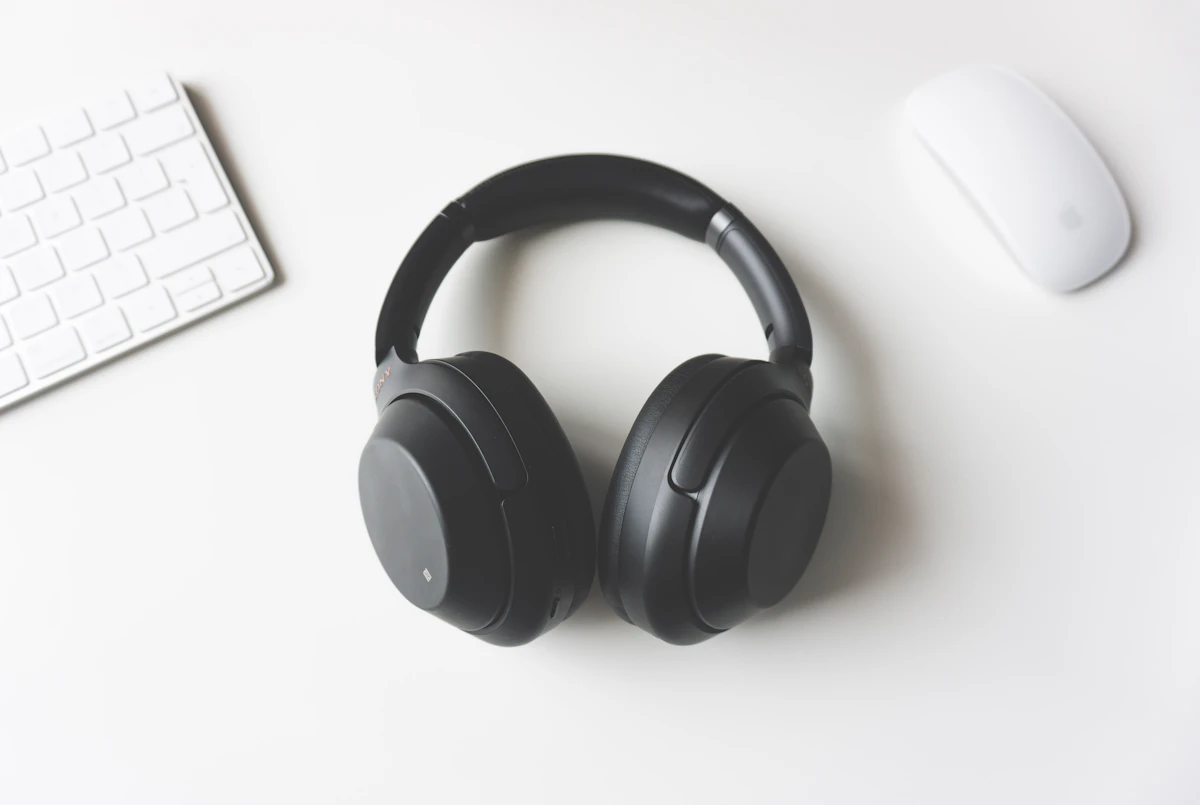
Headphones for an Open Office and the Train Home
A practical guide for the moment when you need concentration at work and comfortable listening during a noisy commute. Compare the options, understand the tradeoffs, and buy with a clear purpose.
Read the story →
A Small Speaker for a Kitchen With Limited Counter Space
A practical guide for the moment when you listen to spoken recipes while cooking and cannot spare much countertop area. Compare the options, understand the tradeoffs, and buy with a clear purpose.
Read the story →
Soundbar Buying for a Small Living Room
A practical guide for the moment when film dialogue is hard to follow but the sofa is only a short distance from the television. Compare the options, understand the tradeoffs, and buy with a clear purpose.
Read the story →